Philip Peters (*1994, he/him) is an artist based in Hamburg. He studied Fine Arts at the University of Fine Arts Hamburg (HFBK) and the Gerrit Rietveld Academie Amsterdam (GRA), under Jesko Fezer and Nick Axel, as well as Psychology at the University of Hamburg. His artistic practice focuses on affective and acoustic dimensions of produced spaces. Philip Peters has realized projects at Kunsthaus Hamburg, as part of the Venice Architecture Biennale, at Gängeviertel e.V., and at Station Urbaner Kulturen Hellersdorf. He is a board member of BEEK.
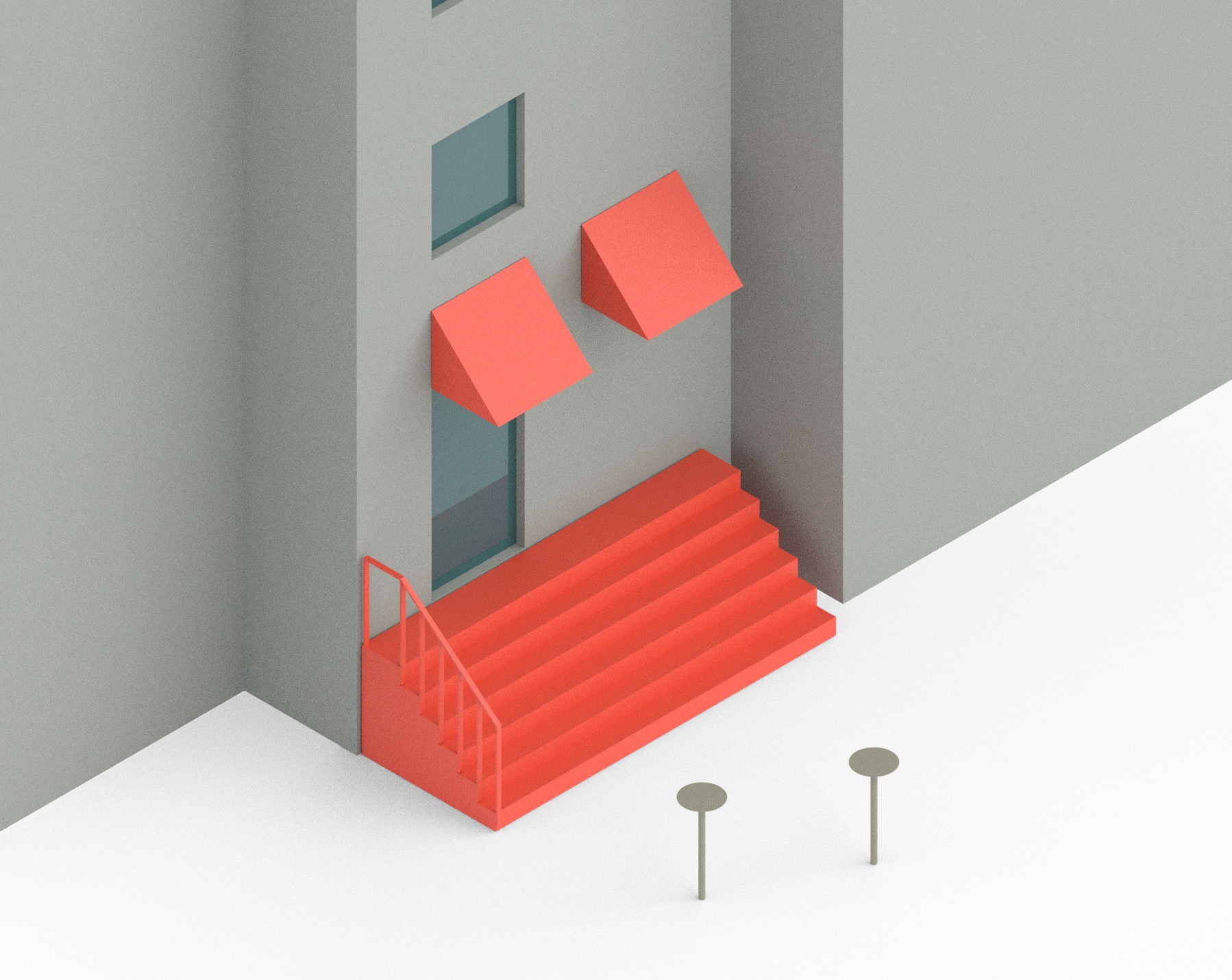
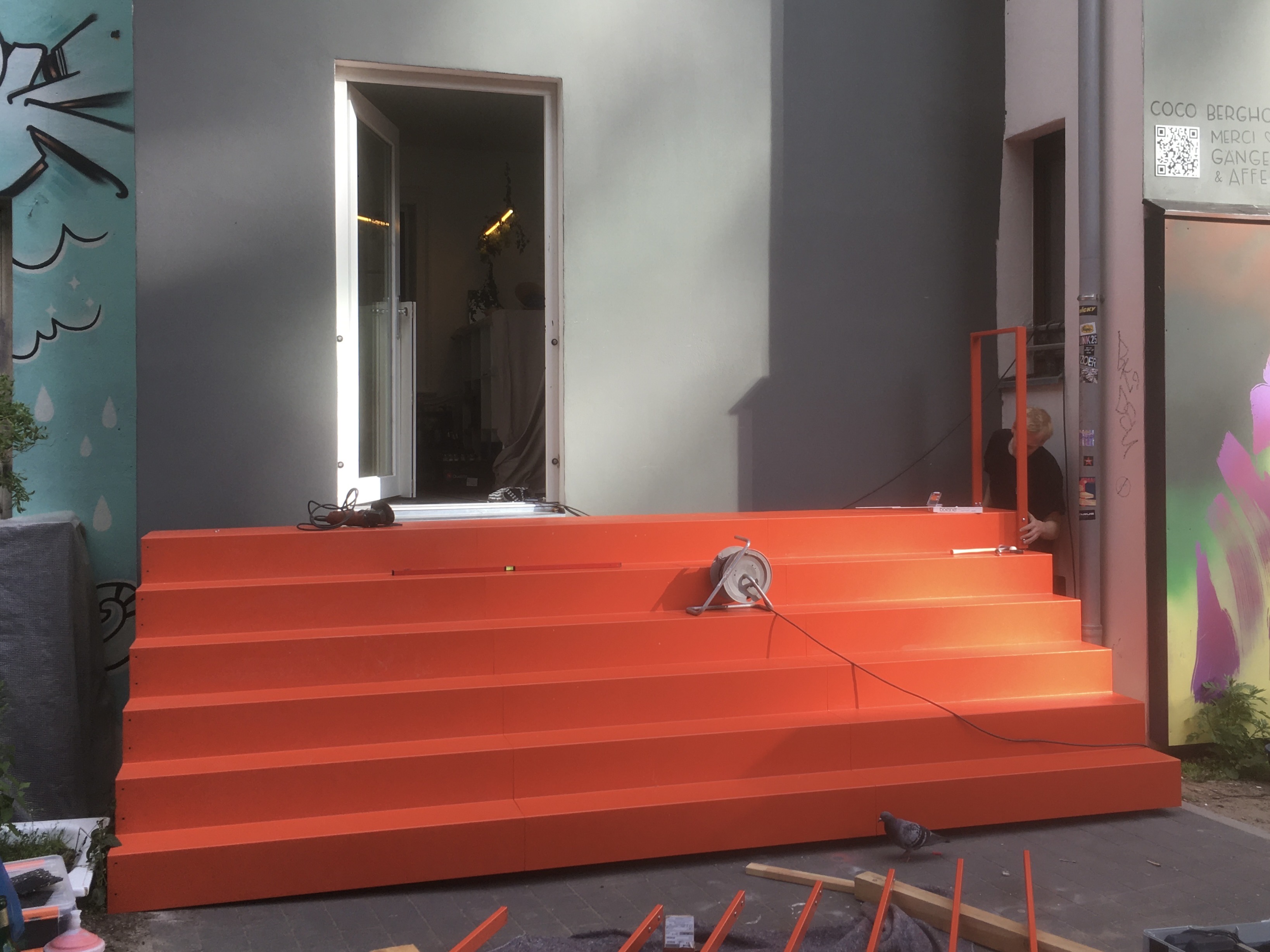
Situation am Eingang Galerie Gruppe Motto, 2026 wip
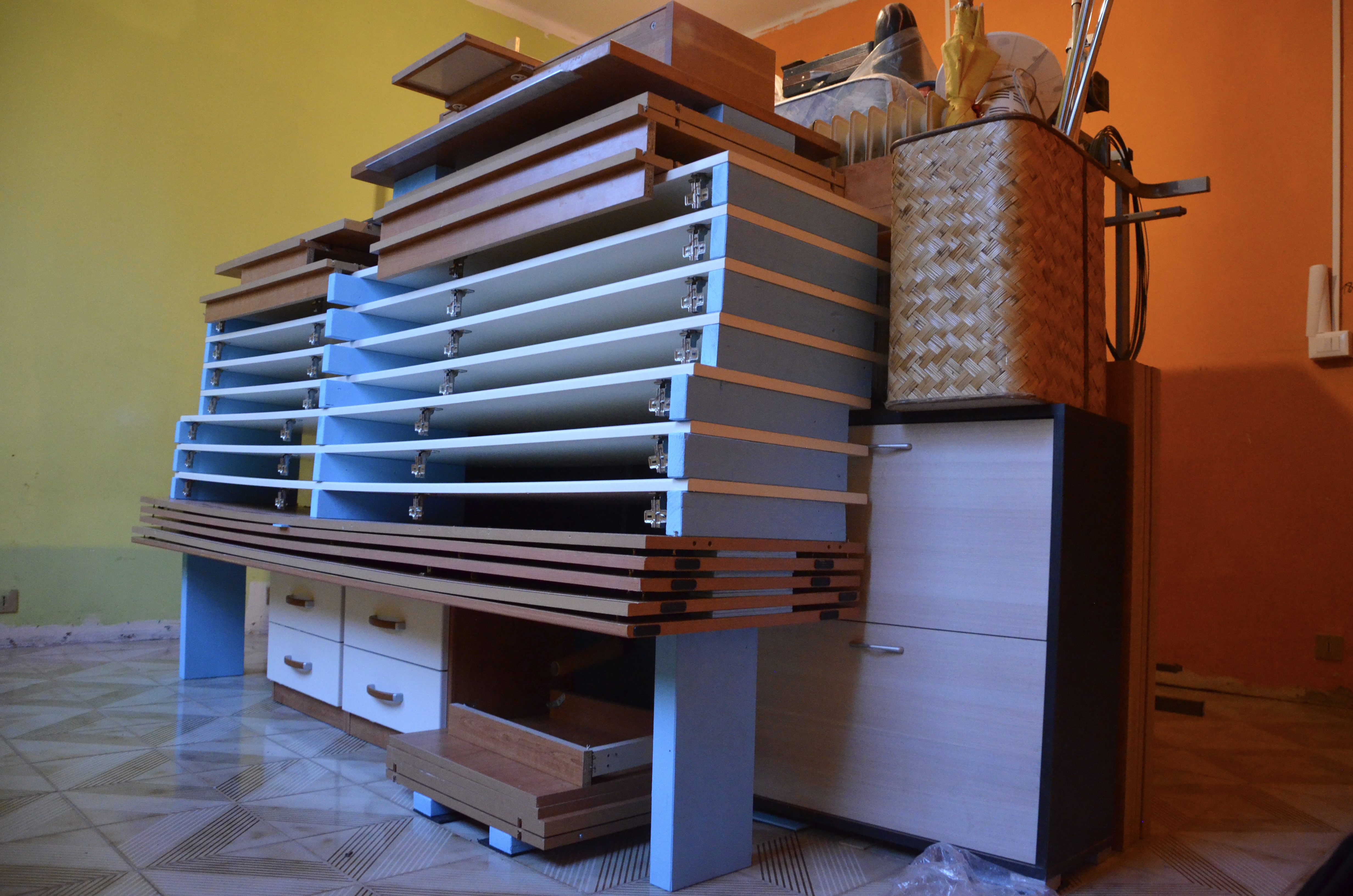
Giudecca Assembly, 2023
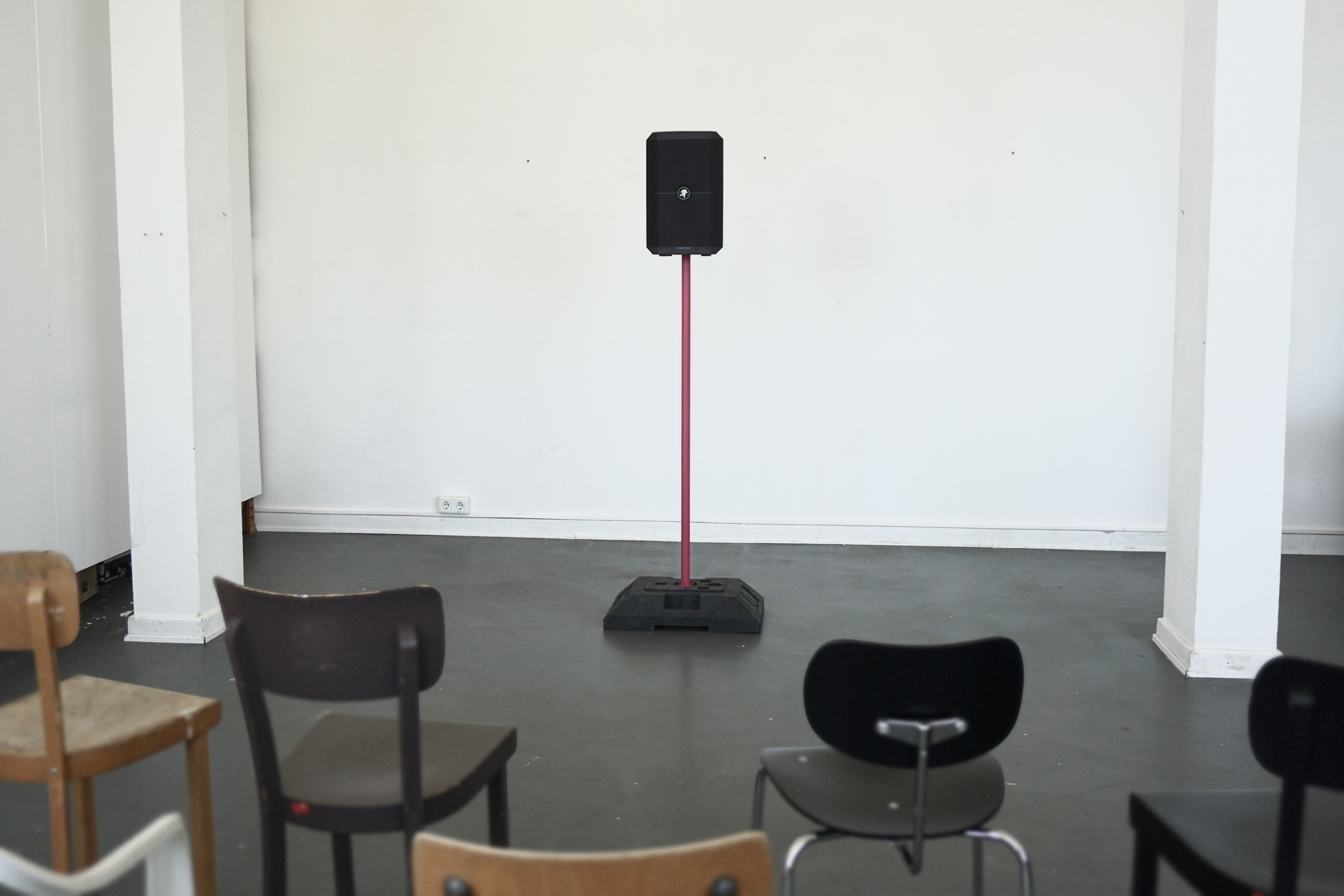
Experimental Practice; Situated Otherwise, 2023
Ria, 2023
BEEK
(How) do we (want to) work (together) (as (socially engaged) designers (students and neighbors)) (in neoliberal times)?, 2021
Spelunking in the Mancave, 2021
Support Room 2nd Primary School of Tavros, 2021
Testreihe, 2019
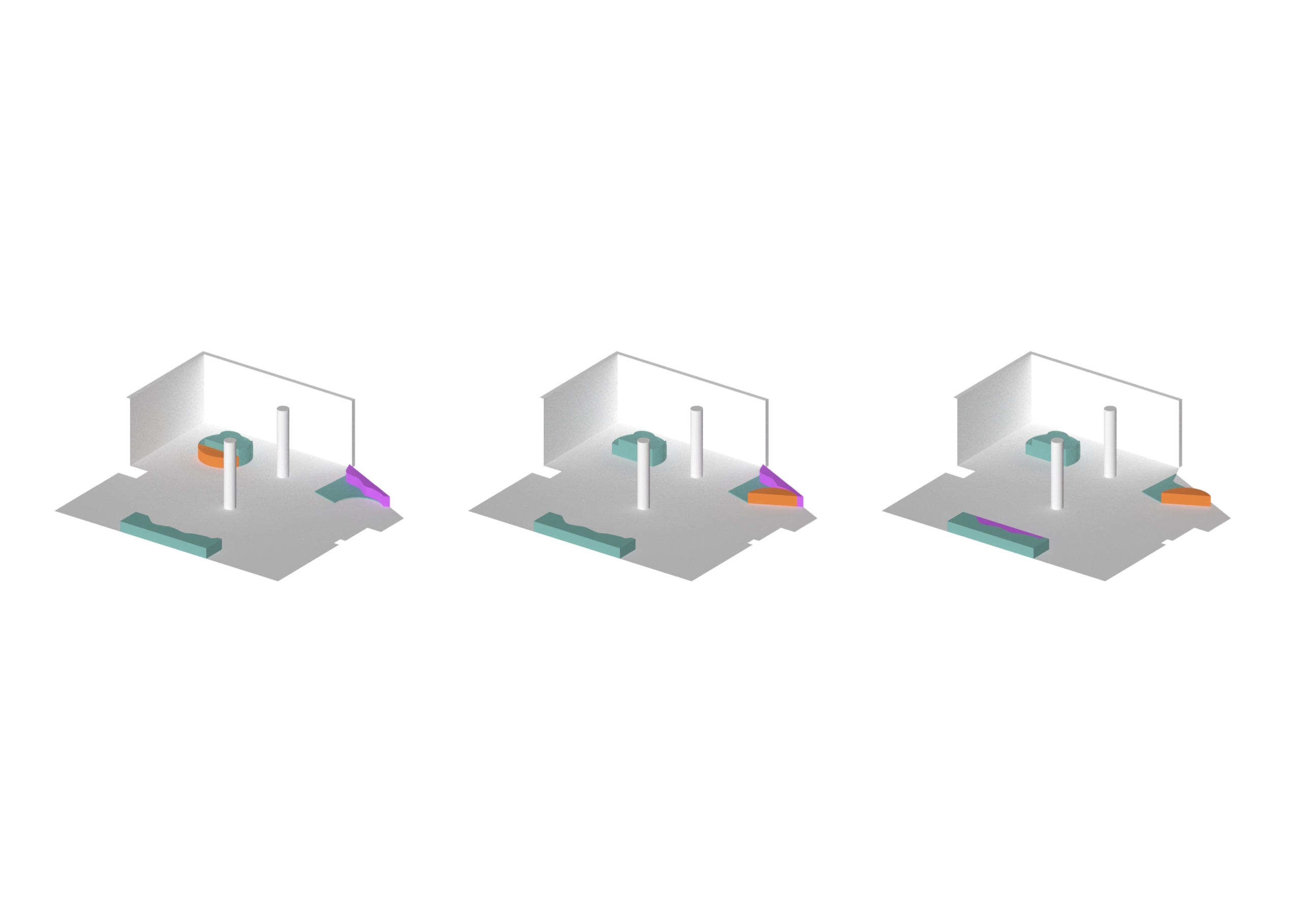
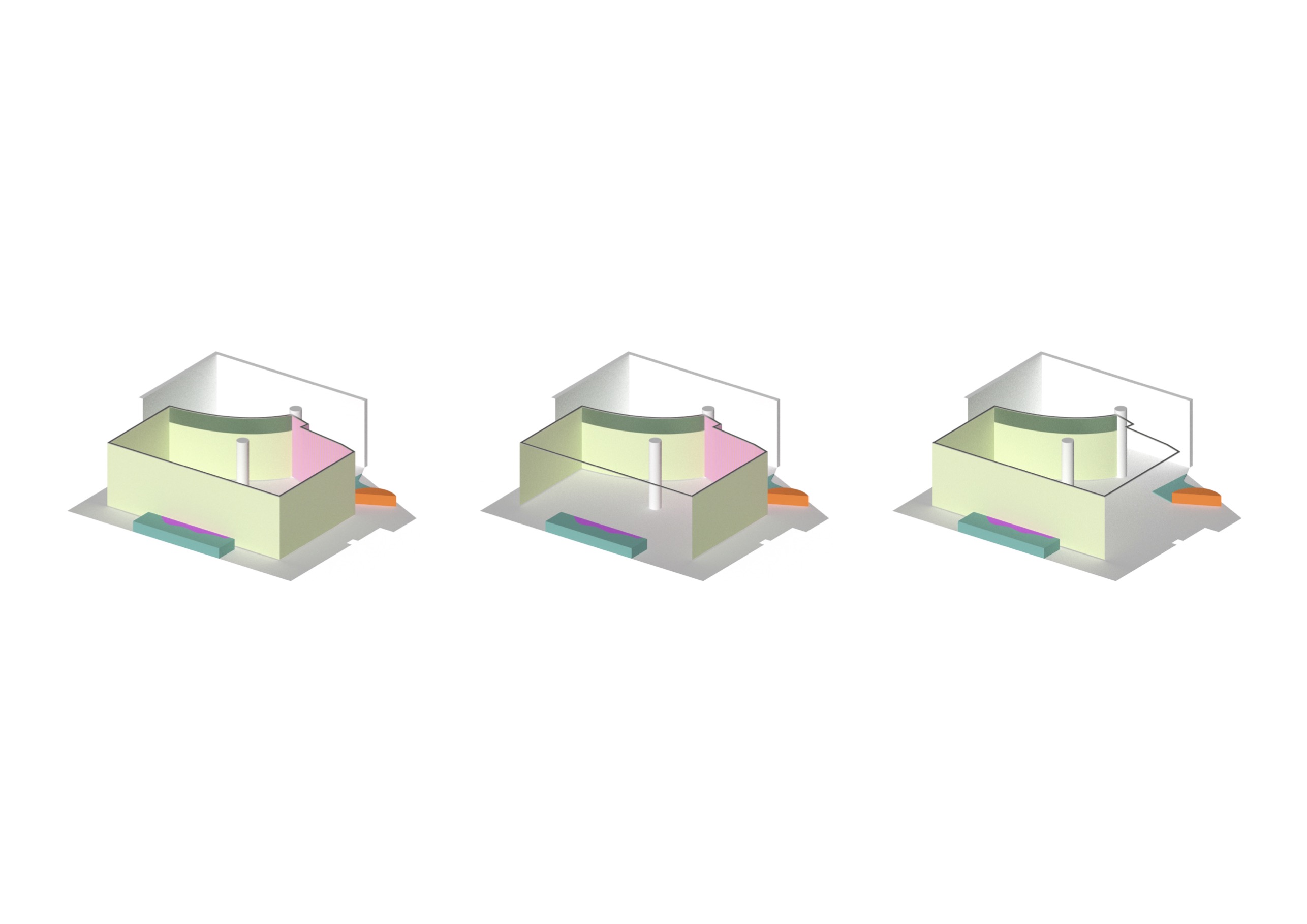
For Galerie Gruppe Motto, an entrance situation was conceived that responds to the surrounding context, the concept of the exhibition space, and its associated formal language. The composition of surfaces, forms, and color articulates a simple visual structure.
In collaboration with Mia Lotta Gabele, Béla Dizdar
As part of the German Pavilion’s contribution Open for Maintenance, an installation was realized in collaboration with Assemblea Sociale per la Casa Venezia, an activist initiative advocating Instandbesetzung of vacant houses in Venice. Existing furniture elements from an apartment in need of repair on Giudecca formed a sculptural stack, reflecting local practices of neighborhood reuse. Blue spacer blocks of varying sizes formed the central structural system.
In collaboration with Irini Schwab, Béla Dizdar, Tatjana Schwab
The audio work addresses the problem of exhibiting experimental design, which is always spatially, temporally, and socially situated differently from exhibition contexts. Instead of documenting projects, it abstracts and reinterprets selected themes and aspects through a new medium. The work consists of five audio segments, each referencing a project developed during the period of study.
Ria is a feminist cultural center in Wilhelmsburg. Conversations and site visits opened a framework for abstract spatial thinking. A guided auditory dream journey led to the concept of fluidity as the design principle. The redesign is based on adaptable curtain systems and modular tables and platforms, enabling flexible use while expressing diversity, change, and a critique of fixed norms and binaries in feminist and queer spaces.
In collaboration with Anna-Sophia Unterstab, Lara Molenda, Irini Schwab
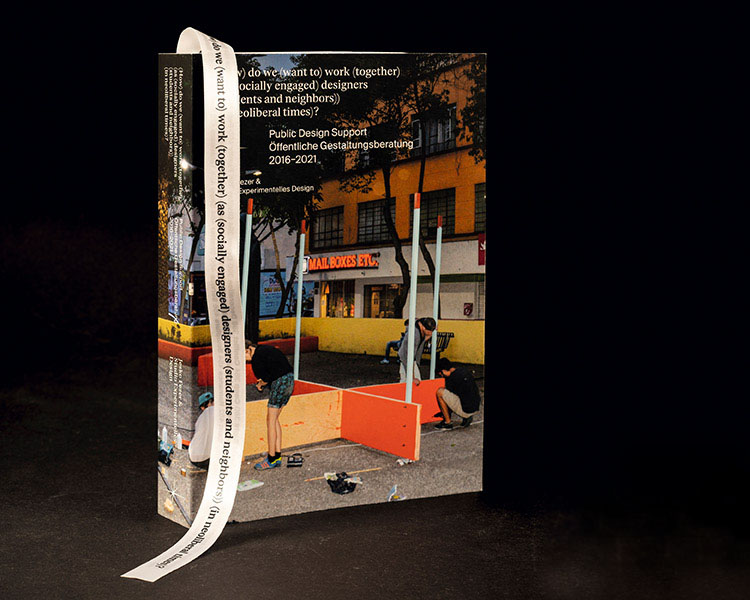
Divided into two parts, this publication extends Studio Experimentelles Design’s socially committed approach through conversations, lectures, research, debates, and project documentation, drawing on the research festival as well as five years of work by Public Design Support. Both of these – an international debate on working conditions and a local design practice committed to its community – strive to critically examine design’s current practices. They ask questions of how designers work today, demanding a fundamental reorientation in the issues design addresses and the social actors it serves.
Two performers were installed in a museum with their mid-fi equipment and have themselves a pleasant evening. They are accompanied by the objects surrounding them, unsure of what this entanglement of situations will produce.
With Pablo Lapettina
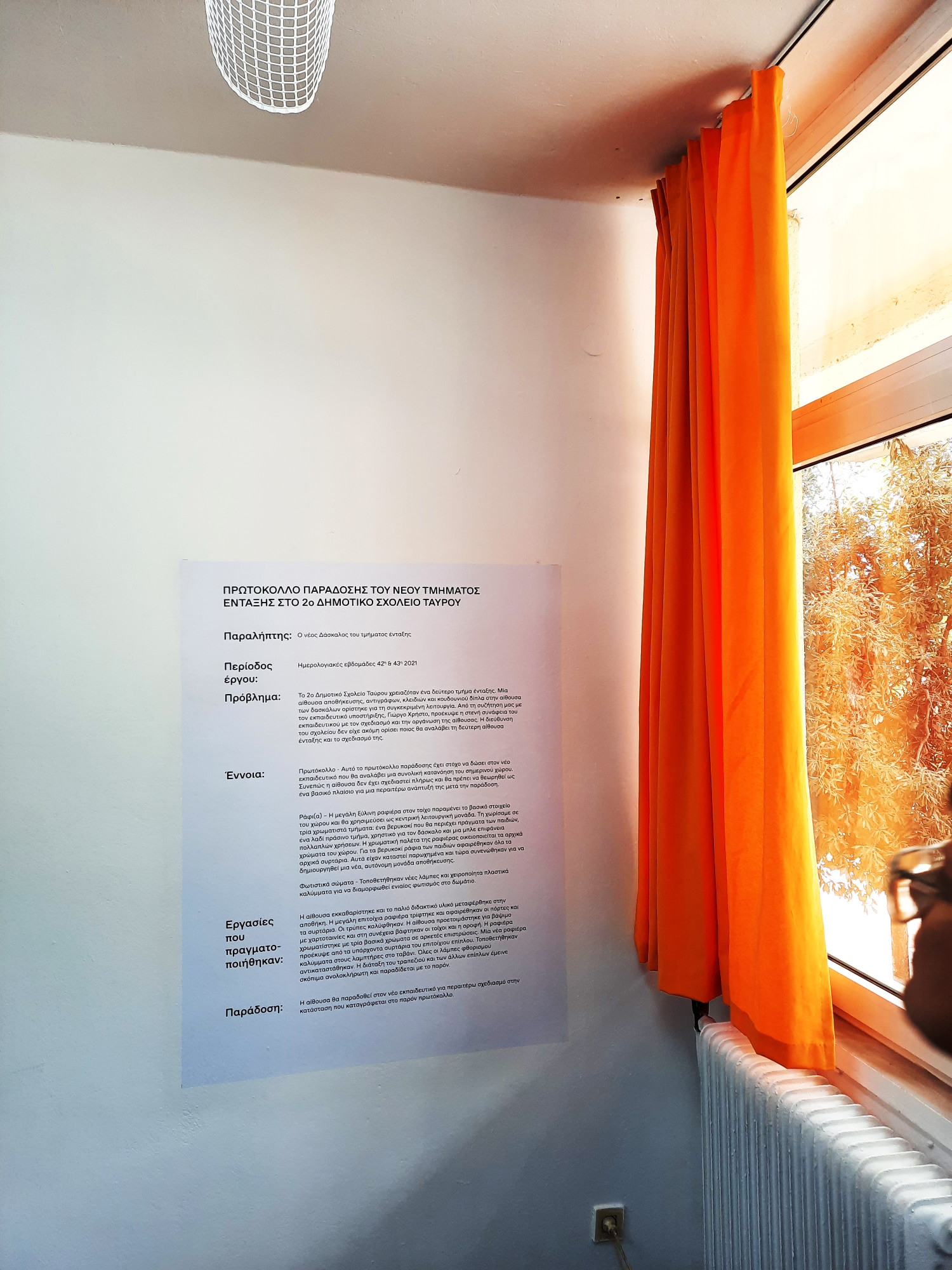
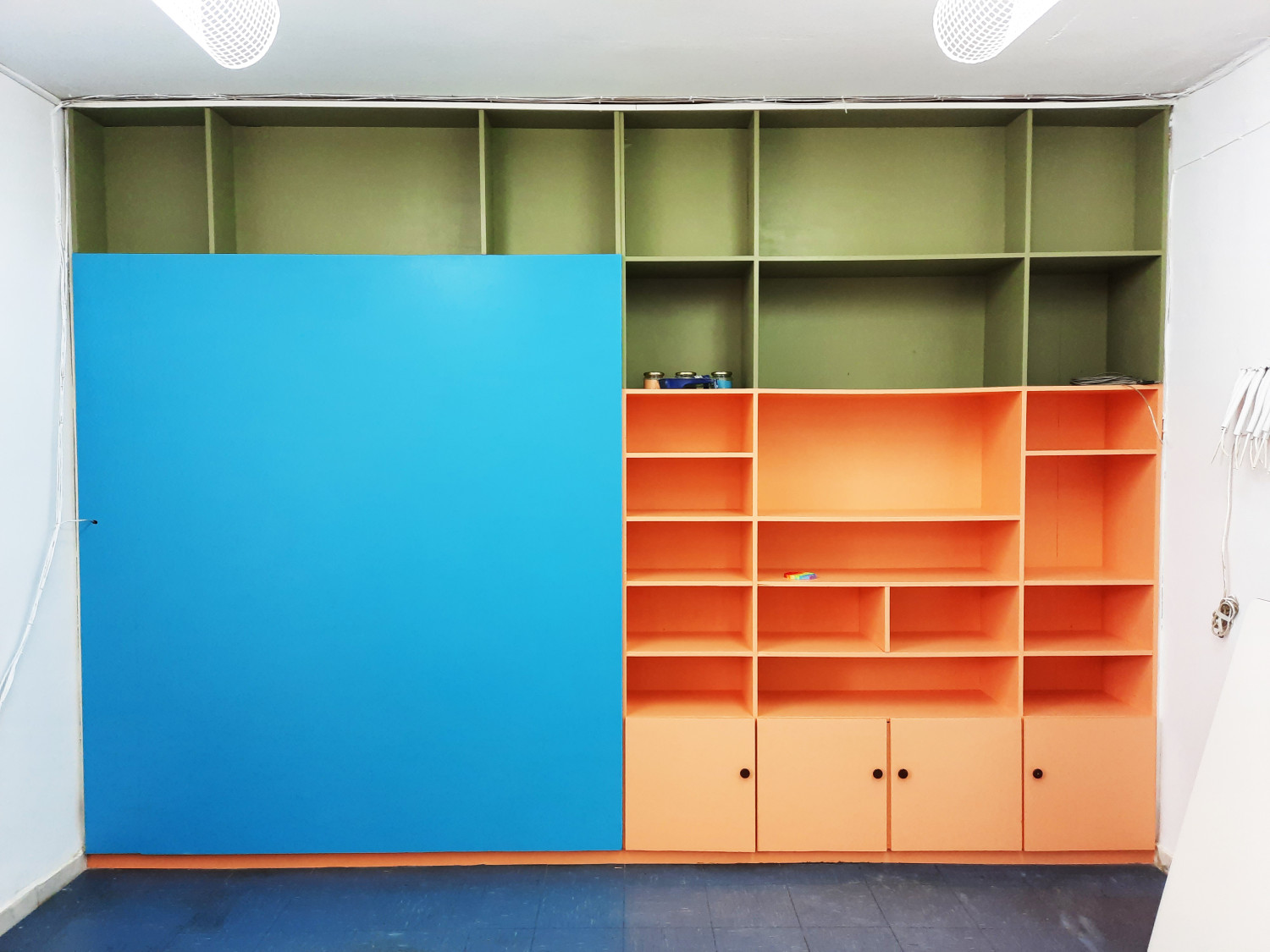
A new support room was needed at the 2nd Primary School of Tavros. Since the new support teacher had not yet been appointed, a Participation-After-Design approach was used. A handover protocol was created to provide the incoming teacher with an overview of the room. The room was left as a basic framework, with the existing wall shelf as a central functional unit, divided into apricot (for children), olive (for the teacher), and blue zones, and the removed drawers repurposed into a separate cabinet. Lighting fixtures were standardized with new covers.
In collaboration with Pablo Lapettina, Tatjana Schwab, Kayoung Kim, Thies Warnke
As a spatial intervention, a series of experiments is staged through semi-public spaces, testing potential working methods of a group. Within the protection of the spectacle – and simultaneously exposed to it as observers – the architectural infrastructure of these spaces serves as the basis for exercises defined by the parameters of time, logistics, and (assumed) identity.
In Collaboration with Olivia Amon, Pablo Lapettina, Hannes von Coler, Tim Wehnert